The wrong containers, the wrong results – how not to send oil samples

Even the best laboratory won’t be able to draw the right conclusions if oil samples are not properly preserved. Discover the most common mistakes made when preserving samples, based on real-life examples.

Correct sampling in oil and lubricant testing

Laboratory testing of oils and lubricants is one of the key elements of modern maintenance. It allows not only for the assessment of the current condition of the lubricant, but above all for the detection of early signs of machine wear, contamination or oil degradation.

However, even the most advanced analytical equipment cannot guarantee reliable results if the sample collection and transport process is not carried out correctly.
Why is proper sample preparation crucial?

The appropriate selection of containers, maintaining cleanliness and properly securing the sample during transport have a direct impact on the quality of test results. In this article, we discuss why the proper preparation of oil and lubricant samples is so important and what standards should be followed to ensure that the results obtained are reliable and useful in practice.

‘(…) even the most advanced analytical equipment cannot guarantee reliable results if the sample collection and transport process is not carried out correctly.’

How not to send oil samples?

Practical examples:

⚠️ Information regarding the shipment

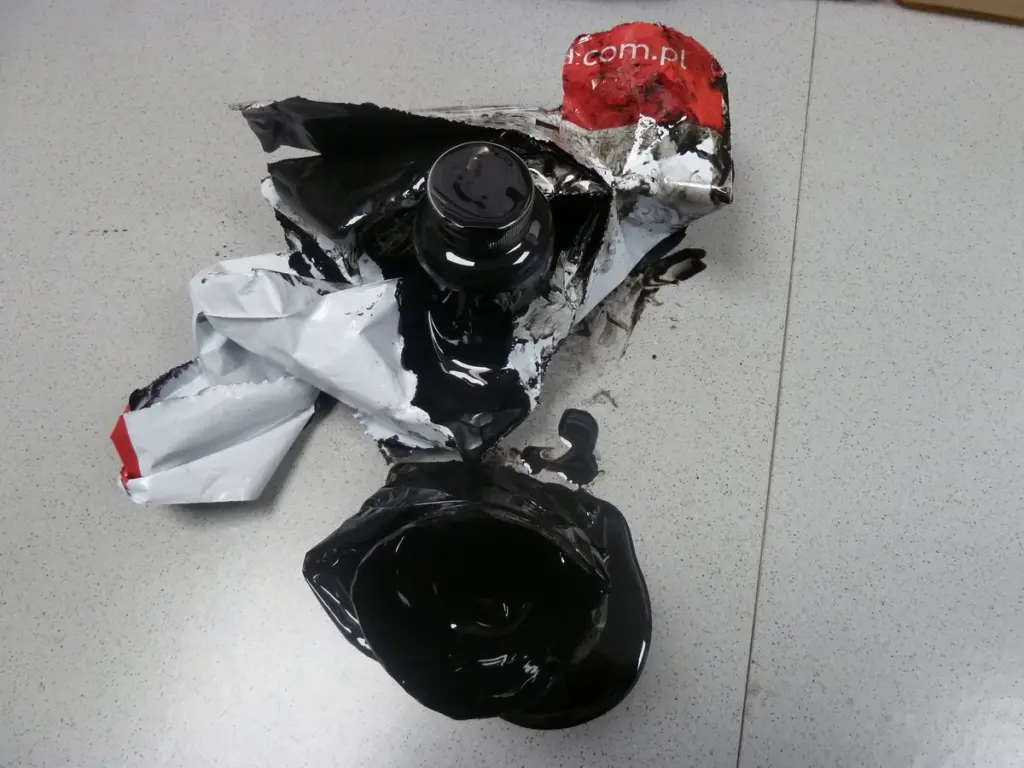
The sample was sent in an envelope. The container broke during transit as a result of impact.

Please send samples properly secured in cardboard boxes.


⚠️ Information regarding sample packaging

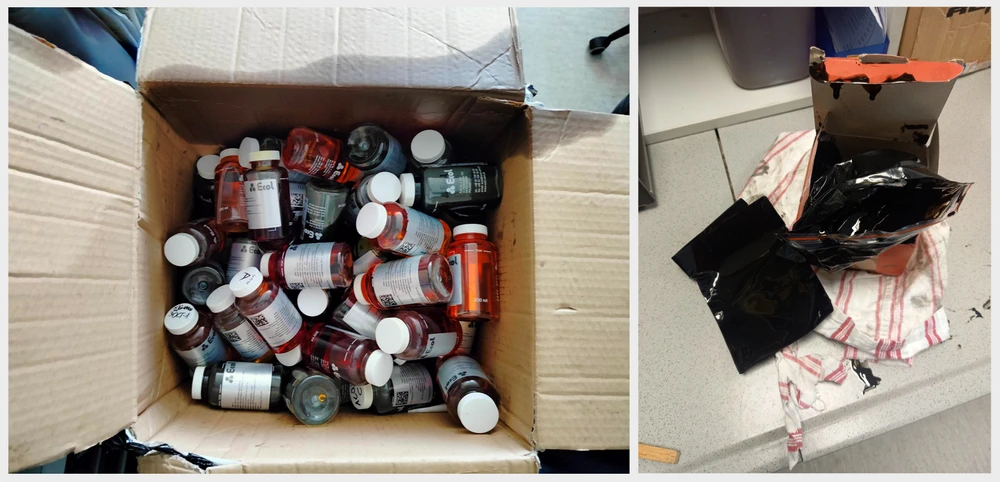
Samples are placed in the box without any protection. They may break as a result of jolts during transport.

Please fill any empty space in the box so that the samples do not knock against the sides.


⚠️ Information regarding sample packaging

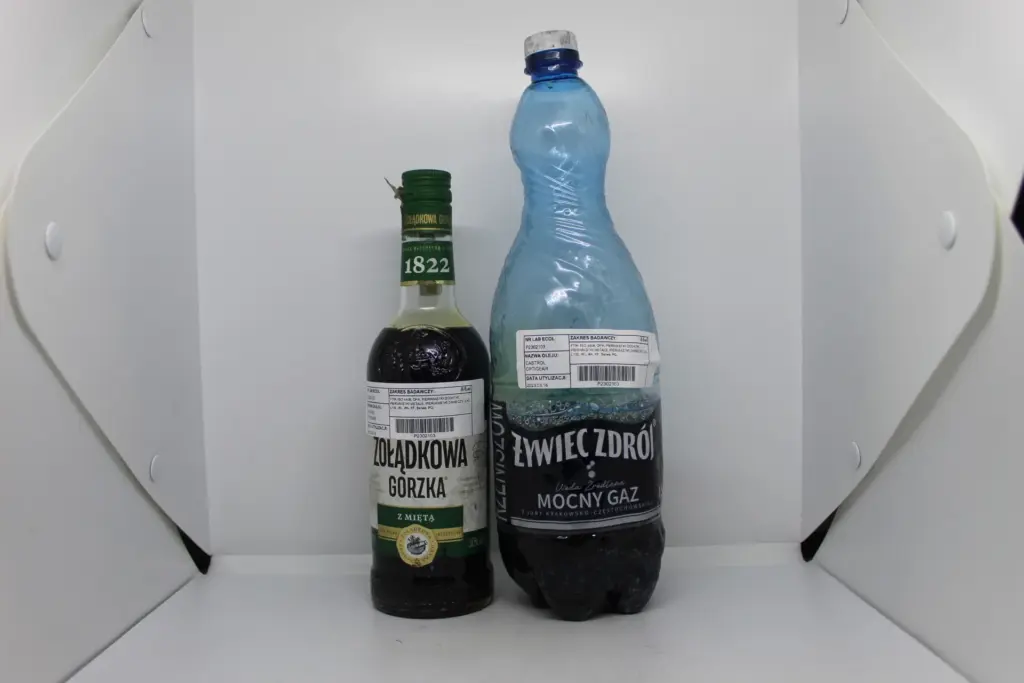
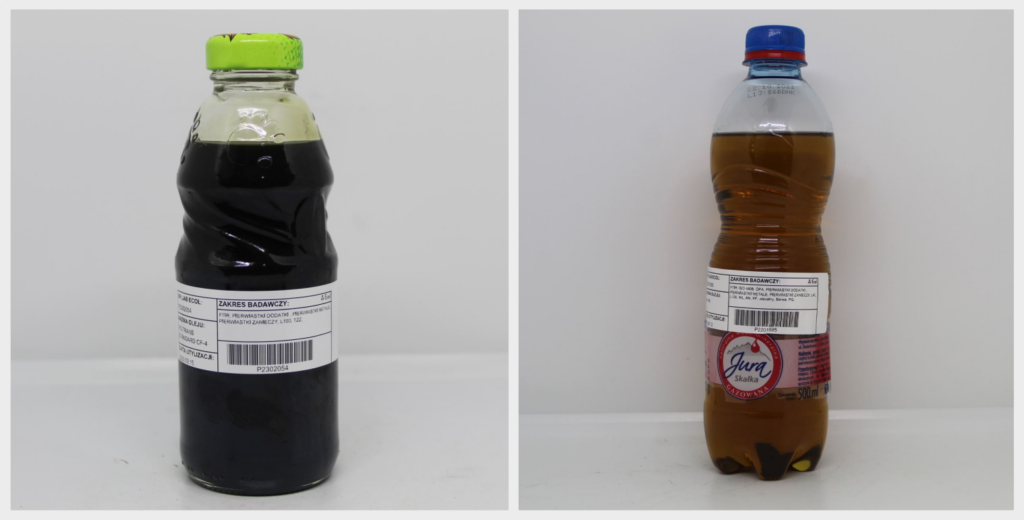
Food packaging may contain residues of water and salt which, if they enter the sample, may lead to incorrect conclusions, e.g. suggesting a failure of the cooling system.


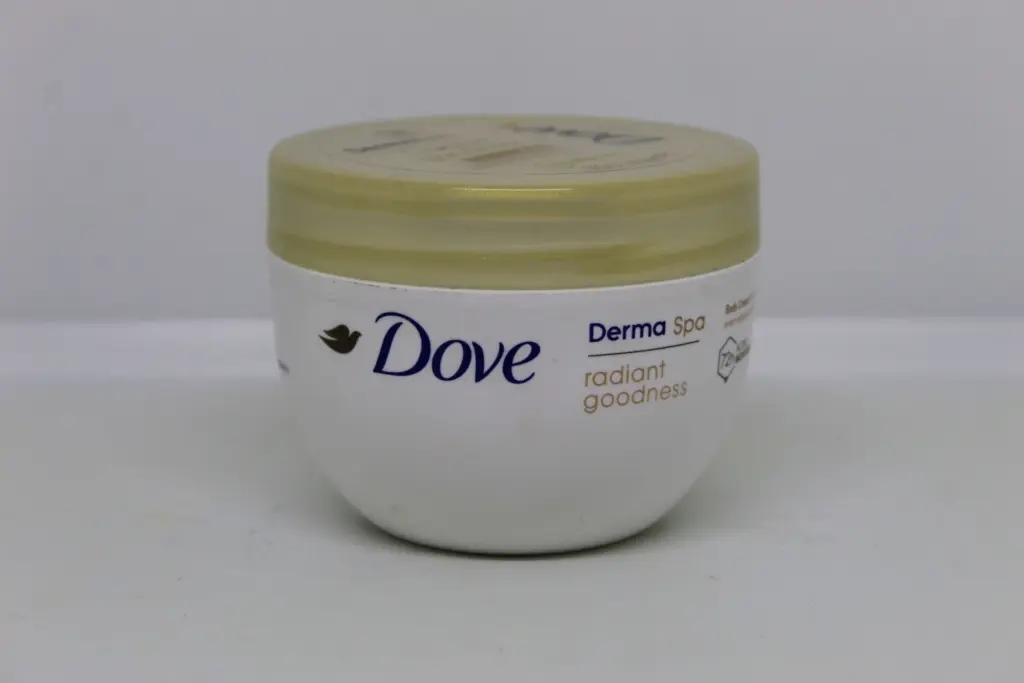
⚠️ Information regarding cosmetic containers

Cosmetics containers – just like food containers – may contain residues of their former contents, which, if they get into the sample, may lead to incorrect results.


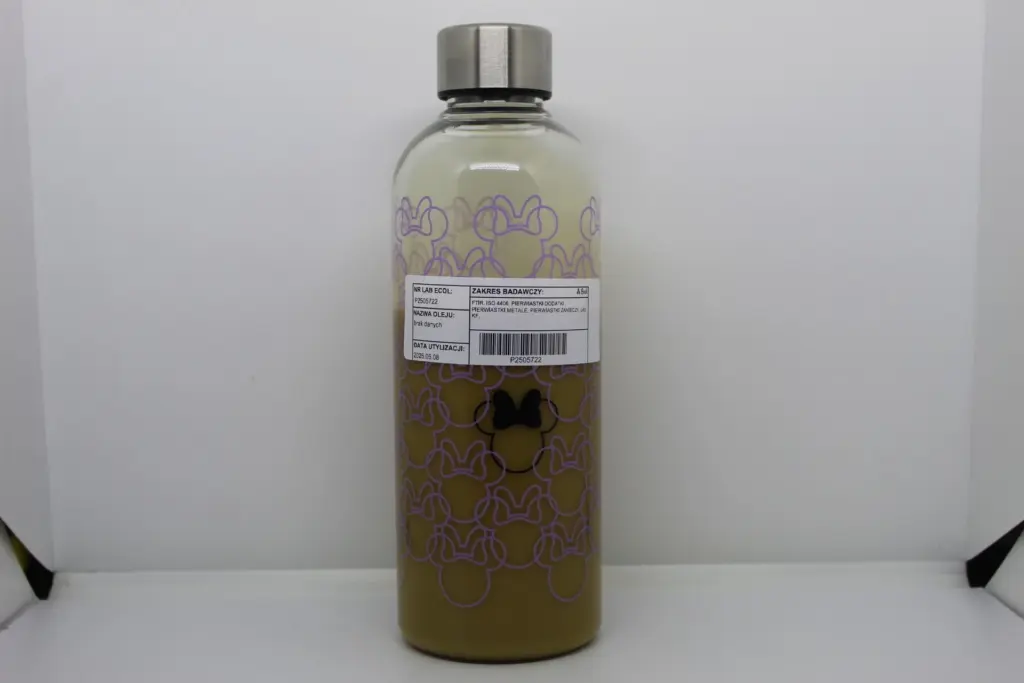
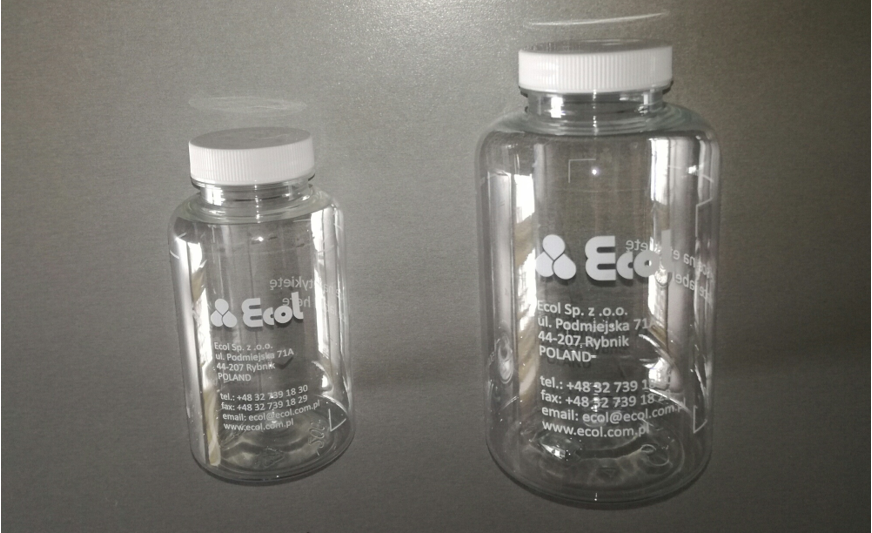
⚠️ Information regarding packaging

A new, clean water bottle – theoretically the correct container, but an unnecessary cost for the customer.


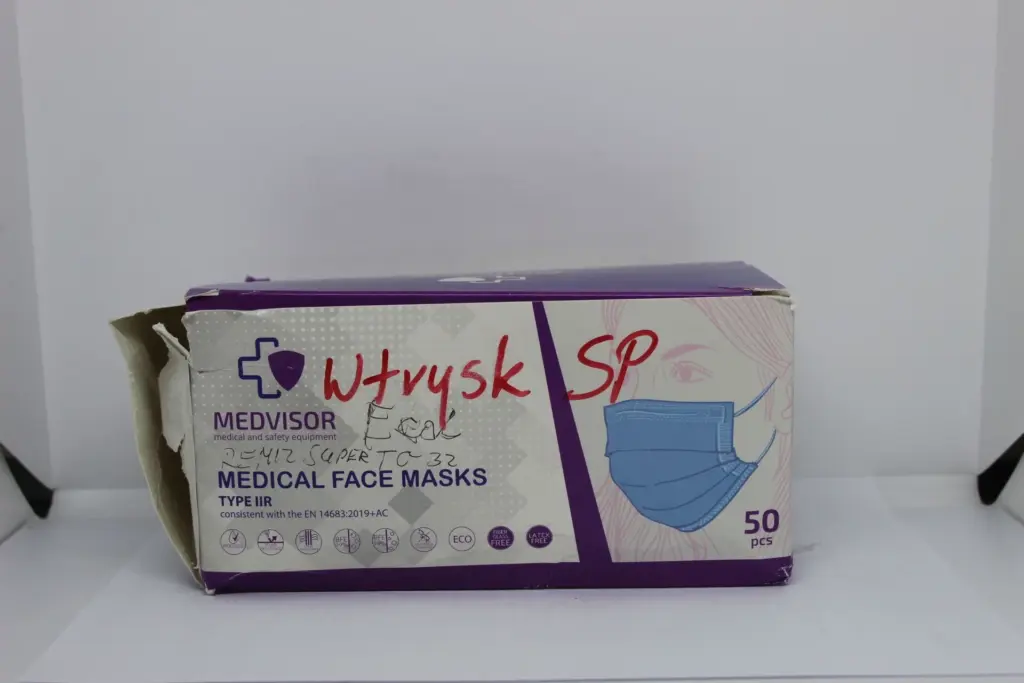
⚠️ Information regarding sample labelling

The text on the box is the only information provided regarding the sample.


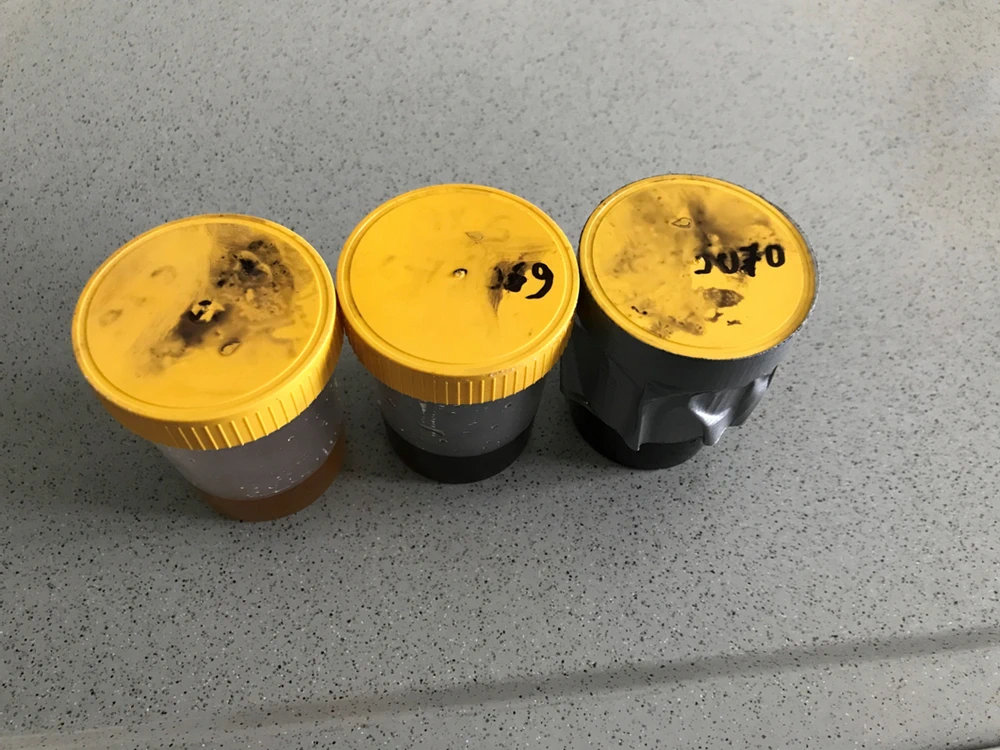
⚠️ Information regarding sample labels

The text on the containers, which is the only information provided regarding the samples, has been washed off due to contact with oil. Please ensure that sample labels are filled in carefully.

Process standardisation as the foundation of reliable analyses

The reliability of laboratory test results begins long before the analysis – right at the stage of sample collection and preparation. Even minor oversights, such as using an unsuitable container or failing to secure the sample properly, can lead to distorted results and incorrect operational decisions.

This is why it is so important to use proven procedures and appropriate materials for the collection and transport of oil and lubricant samples. Standardising these processes not only increases the reliability of analyses, but also allows the full potential of oil diagnostics to be harnessed in maintenance. In practice, this means greater machine operational safety, cost optimisation and better planning of maintenance activities.

contact

Do you have any questions about our diagnostic services?

Please contact us directly:

Brak połączenia z internetem

Nie udało się nawiązać połączenia z siecią. Upewnij się, że masz dostęp do internetu, a następnie odśwież stronę, aby kontynuować korzystanie z serwisu.