

Drop of knowledge #26
Welcome to the twenty-sixth edition of the Ecol Laboratory newsletter.
1. Deposits and varnish in industrial systems: causes, diagnostics, and prevention methods
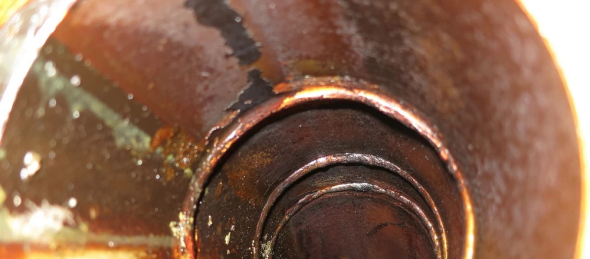
Modern oil systems operate in increasingly difficult conditions – higher temperatures, greater loads and miniaturisation contribute to intensive oil degradation.
One of the most serious consequences of this process is the formation of lacquers and insoluble deposits, which initially reduce the efficiency of machines imperceptibly, but can ultimately lead to costly breakdowns.
In this article:
- we explain the mechanisms of varnish formation: oxidation, polymerisation, microdieseling and electrostatic discharge,
- we clarify the differences between low- and high-temperature deposits (cold varnish and hot varnish),
- we present key diagnostic methods: MPC, RULER, acid number, RPVOT and oil cleanliness according to ISO 4406,
- we indicate preventive measures that effectively reduce the risk of deposits forming in the system.
👉 Find out how to recognise hazards early on and keep your oil system in a safe operating condition: click here
2. check also:
Ecol4wind insights: Why ISO 27001 is no longer just ‘nice to have
Ecol becomes a member of the Steel Industry and Trade Chamber

Eyes of the Forest – Ecol 2026 calendar
→ A story about observing nature carefully and noticing what remains invisible on a daily basis.→
3. Upcoming conferences we are participating in:
- ➡️ 02-03.03.2026 | Forum PSEW, Sopot, Poland
- ➡️ 10-11.03.2026 | Steam Turbine and Generator User Group 2026, Manchester, UK
- ➡️ 17-19.03.2026 | New Energy – Maintenance – diagnostics, repairs, modernizations, Nałęczów, Poland
- ➡️ 19-20.03.2026 | BMP – Effective Energy Management in Industry, Zawiercie, Poland
- ➡️ 19-20.03.2026 | IGKM Bus Fleet Commission, Wrocław, Poland
- ➡️ 26-27.03.2026 | Industry and Energy Congress INDUSTRY IN TRANSITION, Wisła, Poland
4. element of the month
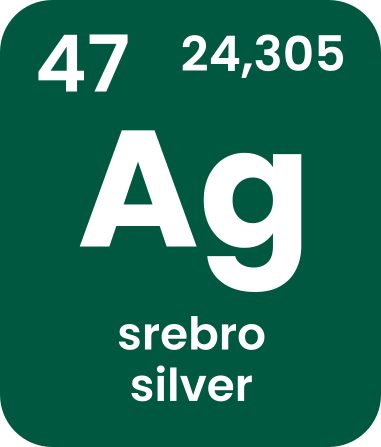
Silver (Ag, Latin: argentum) is one of the most valued elements on Earth due to its corrosion resistance, hardness, and thermal and electrical conductivity. Industry uses silver for electroplating machine and device components, as well as in the production of telescopes, mirrors, and photovoltaic panels.
Silver is not a typical additive used to refine industrial and engine oils. Its source is most often the wear of the surface layers of interacting components.
Examples of sources of silver in oil:
- soldered components of the system, e.g. coolers
- silver-plated surfaces of mating components, e.g. piston pins, oil pump components
- surfaces of plain bearings used, for example, in gas turbines and certain locomotive drive units
- Among metals, silver has the highest electrical and thermal conductivity.
- It is a highly reflective material – it reflects light very well.
- It occurs in both ore and nugget form.
- The darkening of silver results from the reaction of sulphur compounds with moisture from the environment; the tarnish does not damage the structure of the metal and can be removed chemically or mechanically.
Interesting facts:
contact
Do you have questions about Ecol laboratory services?
If you have any questions or needs, please contact me.

