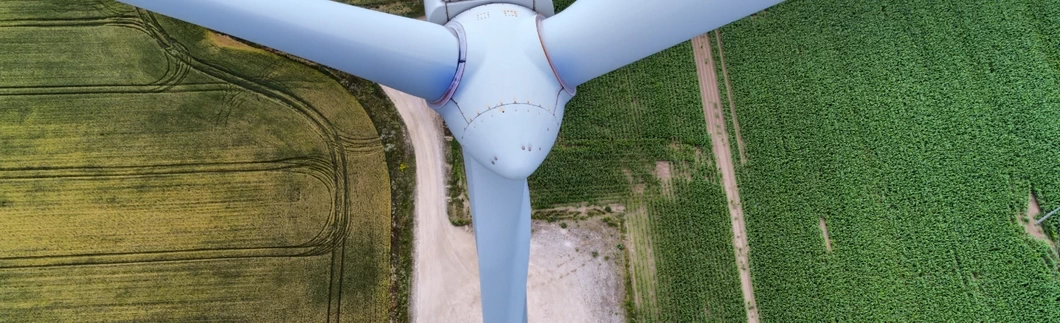
Ecol4wind insights (part 2):
Bearing. Main not only in name.

Dr Jakub Sobieraj, Eng.: A failure of a wind turbine’s main bearing can result in millions in losses and prolonged downtime. Monitoring, grease analysis and preventive measures help reduce risk and extend the service life of this key component.

main bearing: a critical point for turbine reliability

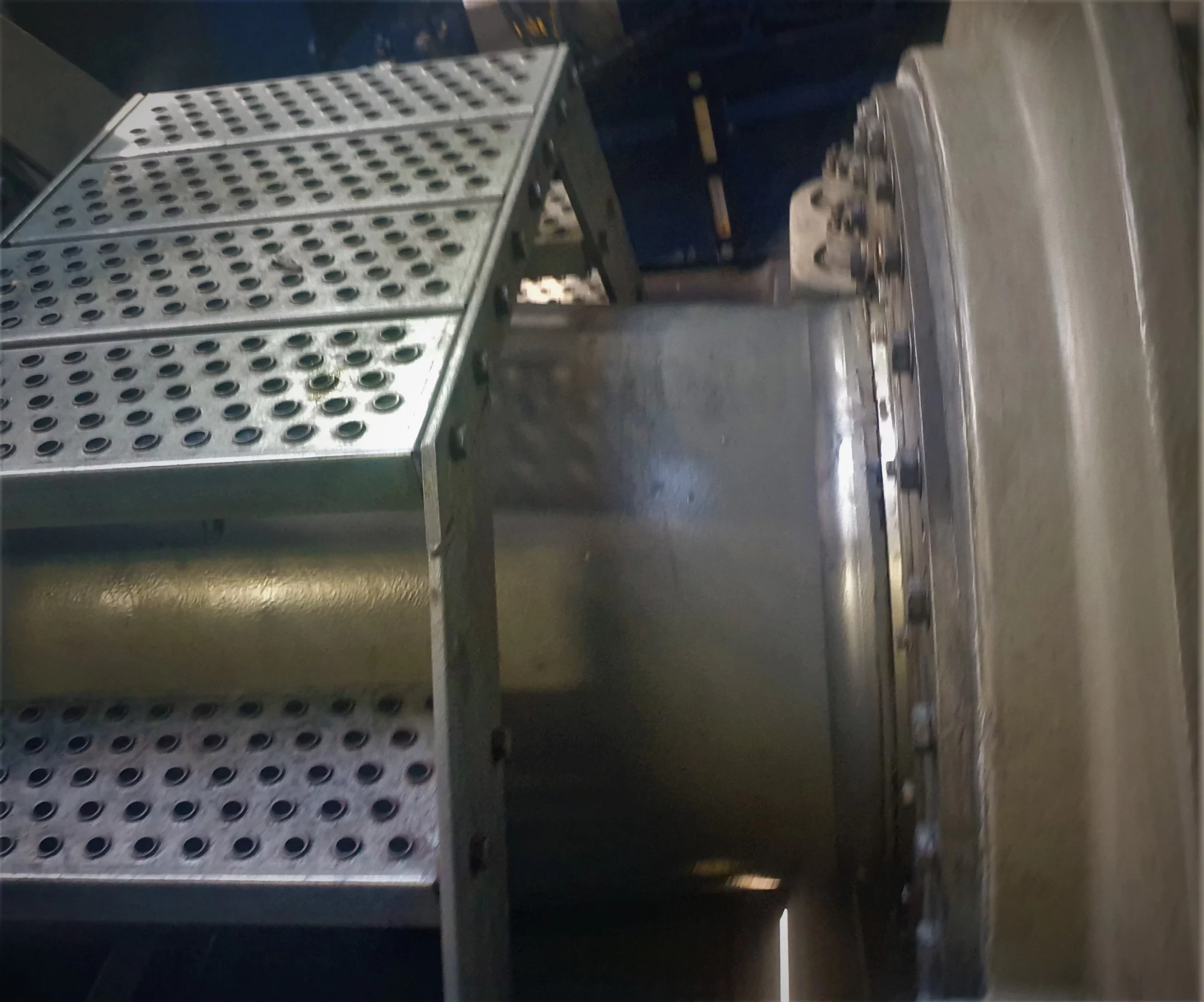
A single bearing can determine millions in OPEX. This is because it is an absolutely critical component in the system that transfers torque from the blades to the gearbox and generator. It is also one of the key and most damage-prone components of the entire wind turbine. Its failure can be catastrophic. In the best case scenario, it means forced downtime and costly replacement. In an extreme scenario, it can lead to fire and permanent loss of turbine operational capacity.
monitoring and responsible operation

In one of our next articles, we will focus on failures and their causes. For the purposes of this post, we will limit ourselves to what seems to be an obvious statement: ‘monitoring and responsible operation are essential’. That is all there is to it. Despite its apparent simplicity, the applicability of this thesis is not obvious or straightforward. What is ‘monitoring’ and ‘responsible operation’ in the context of a main bearing? There is probably no universal answer, but below we present our approach.

reliability is a matter of probability

Firstly, it should be mentioned that reliability is a function of probability, which means that, firstly, there is a random factor in this puzzle and, secondly, our task is to minimise it. The choice of bearing remains with the manufacturer, as do the operating assumptions. However, the owner and service provider have a real impact on the quality of inspection and operational maintenance. It is in the area of inspection and service that we see the greatest potential for reducing the risk of failure, in line with the philosophy of proactive maintenance.

lubricant as an information carrier

Oil or lubricant in a machine can be compared to blood in the human body. In both cases, fluid analysis can tell us a great deal about the condition of its user. In grease, we do not measure haemoglobin or CRP, but the content of solid particles, the level of oxidation and the consistency. These parameters are indicators of the quality and service life of the lubricant and, indirectly, the condition of the bearing. Regular testing allows service decisions to be made at the optimal time – from the point of view of safety and costs.

good to know: lubricant testing

Ecol Laboratory: lubricant testing for the wind energy industry

type

description

link

Element identification – RDE (Rotating Disc Electrode) method

The level and distribution of concentrations of individual metallic elements and their correlation with the metallurgy of lubricated components answers the question of whether there are any excessive wear processes occurring in the device.

RULER – determination of amine and phenol inhibitors

This is the only method that allows the level of all types of antioxidants in oils to be determined. We use this method when amino and phenolic additives are used in oils.

Infrared spectroscopy

By comparing the spectrum of the reference oil with the spectrum of the used oil sample, it is possible to determine, for example: water content, phenolic inhibitor content, oxidation, nitration, sulphation, carbon black content, glycol, fuel, compliance with the reference sample, or distinguish the oil base.

Measuring grease penetration

The result of the test is penetration, measured in 0.1 mm, which defines the consistency class of the grease, specified according to NLGI.

Colourimetry of DELTAE2000 grease / CIELab L / CIELab a / CIELab b

A change in the reference grease may indicate oxidation of the grease due to operation at high temperatures, significant exposure to wear particles or other types of contamination, or mixing with a different type of grease. A change in colour should be treated as an indication for further testing.

FerroQ

The correlation between FerroQ and iron tells us what proportion of iron is larger than 5 micrometres. A significantly higher FerroQ value in relation to iron may indicate the generation of large wear particles and incorrect lubrication.

Grease Thief® – particle concentration in grease / particle characteristics in grease

Based on the results, it is possible to conclude that there is external contamination and a certain level of wear in the lubricated joint, especially when observing the trend.

Grease Thief® – grease consistency profile (consistency under dynamic conditions), GTS1/GTS2/GTS3/GTS index

The Grease Thief® Analysis device enables a unique grease consistency test to be performed under dynamic conditions, i.e. it is related to the actual operating conditions of the grease. It involves measuring the force used to extrude a sample from the Grease Thief® sampler through a gap in the die in three cycles.

Water content in oil (Karl Fischer) – coulometric method

Water, alongside mechanical contaminants, is the second most destructive factor in oil. It causes oil degradation, activates corrosion and hydrogen wear processes, and can cause cavitation, significantly reducing the service life of lubricated components.

bearing flushing as a tool for extending service life

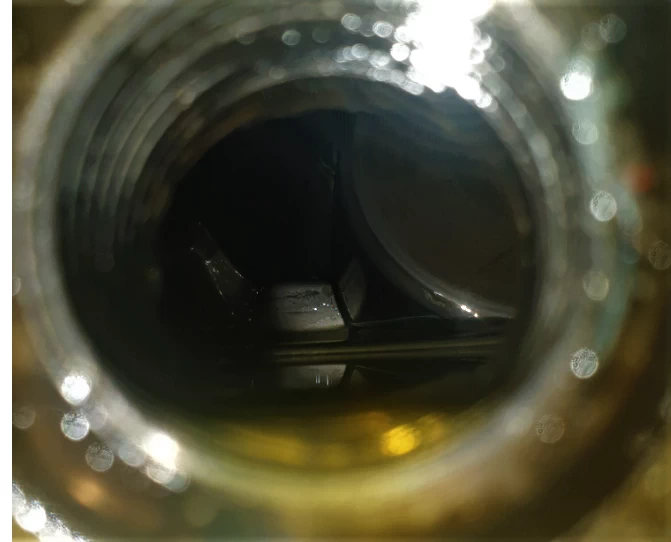
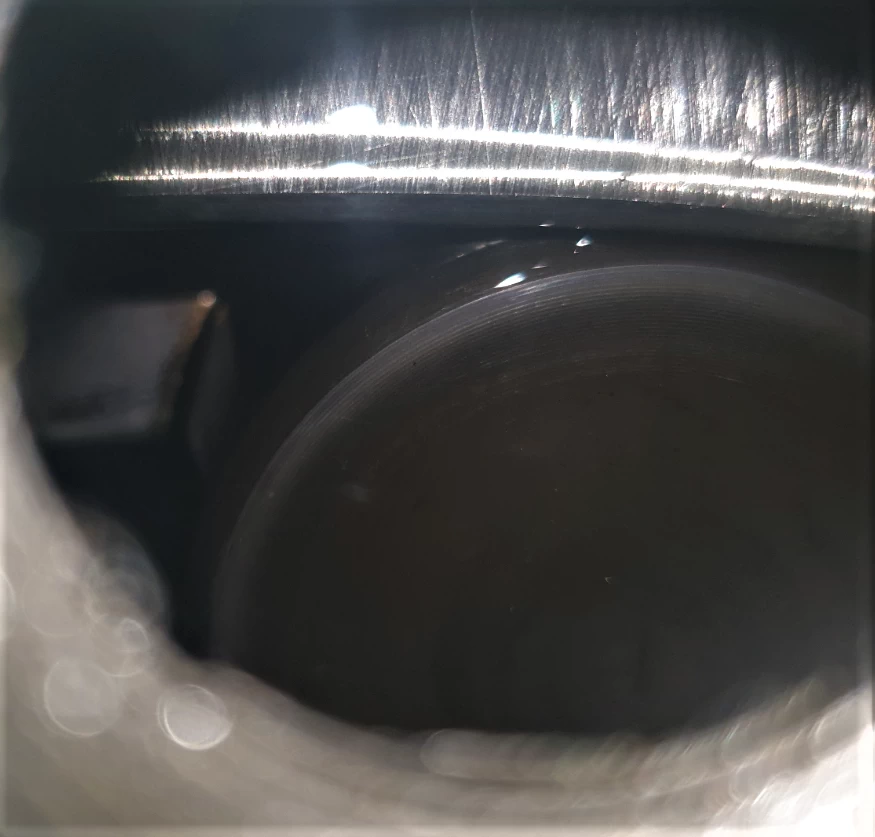
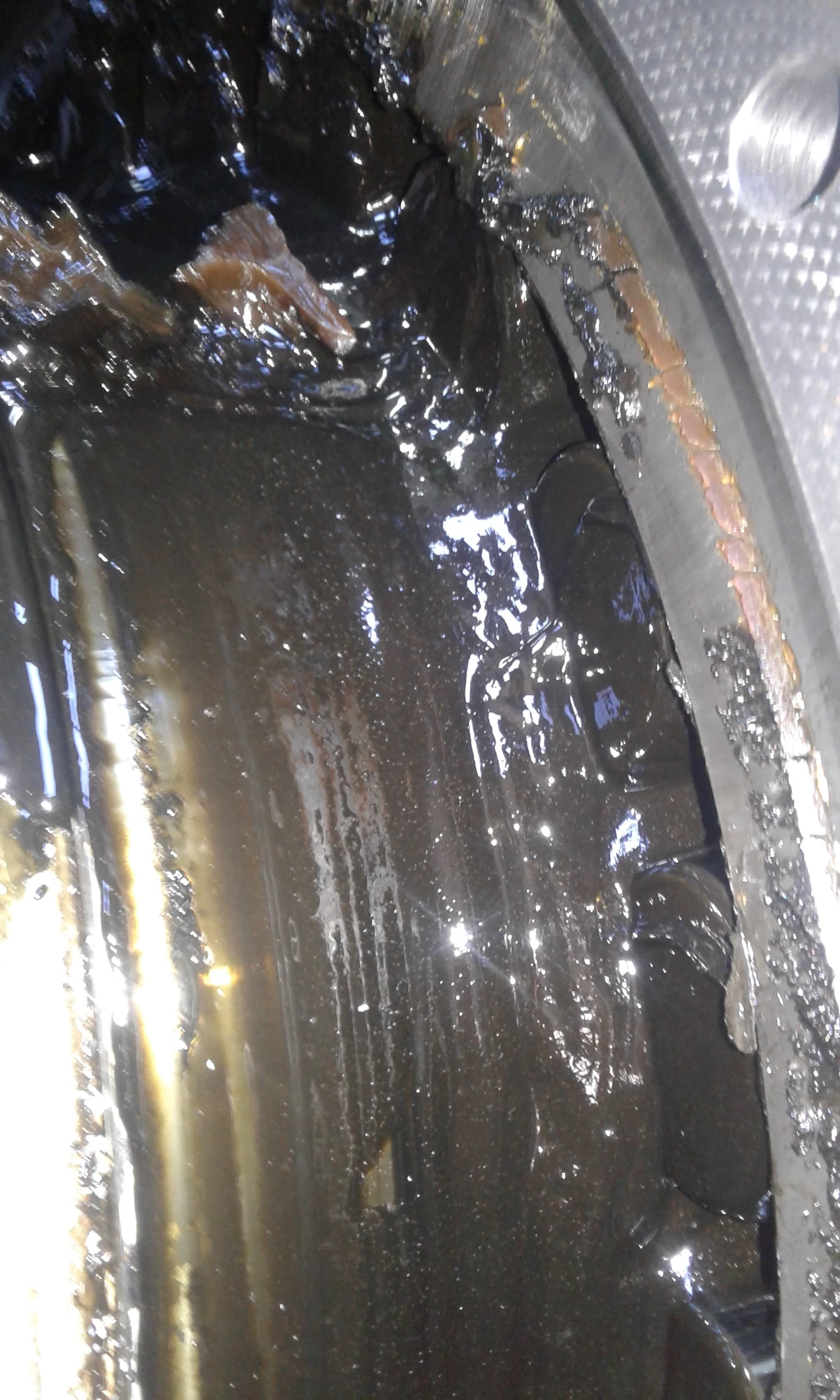
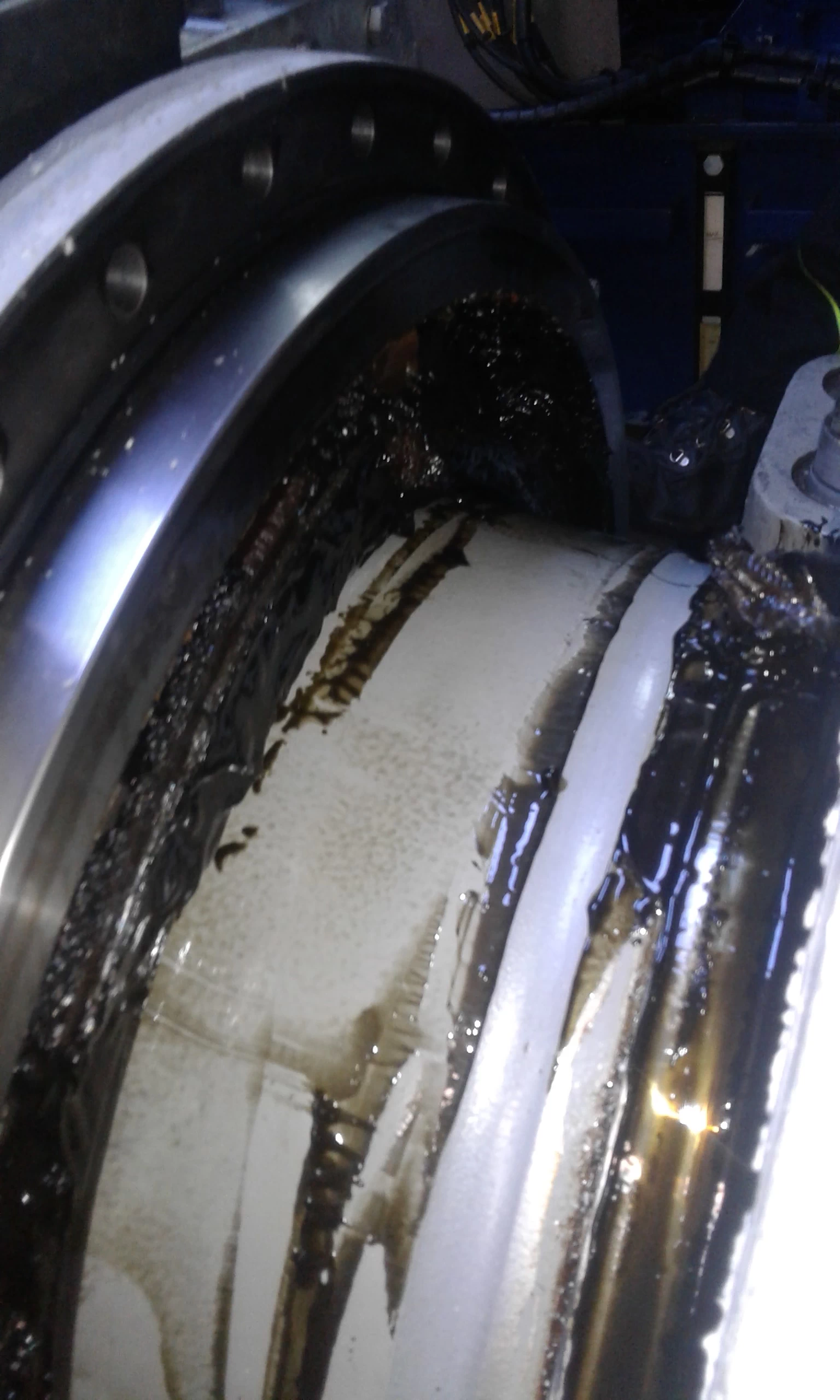
Every mechanical component wears out over time. Our task is to slow down this process. During operation, both the lubricant and the bearing material degrade. At the right moment, an effective solution may be bearing flushing – replacing the grease and removing wear particles. New grease and clean surfaces help to ‘reset’ the bearing, reducing the likelihood of failure and thus increasing its reliability. Experience shows that one year after the service, the level of contamination decreased by up to 80% compared to the initial state. However, for this to be effective, the process must be carried out in accordance with best practice and using the right consumables.

prevention costs vs failure costs

A main bearing failure can generate costs exceeding one million zlotys. This is OPEX, which significantly affects the profitability of a project and, in extreme cases, can determine its viability. In turbine operation, as in medicine, a simple rule applies: prevention is better than cure. Referring to the title, the bearing is not main only in name. In many cases, it determines the further life of the turbine. In subsequent articles, we will focus on damage mechanisms and discuss other aspects of O&M in wind turbines.


Dr Jakub Sobieraj, Eng.

Graduate of the Silesian University of Technology in Gliwice, Faculty of Environmental Engineering and Energy, PhD in environmental engineering, mining and energy. Since the beginning of his professional career, he has been involved in the energy sector – from research and development and scientific activity, through design and strength and heat flow calculations, to management and business development.

Author of numerous scientific publications and commercial projects implemented for the energy sector. Former lecturer at the Silesian University of Technology and the Krakow University of Technology.

At Ecol Sp. z o.o., he serves as Director of Business Development for services dedicated to the wind industry as part of the Ecol4Wind programme. He is responsible for developing the offer, cooperating with clients and setting strategic directions for the development of solutions for wind energy.


contact

do you have questions about Ecol’s services for the wind industry?

contact us directly:

Brak połączenia z internetem

Nie udało się nawiązać połączenia z siecią. Upewnij się, że masz dostęp do internetu, a następnie odśwież stronę, aby kontynuować korzystanie z serwisu.