Drop of knowledge #27
Welcome to the twenty-seventh edition of the Ecol Laboratory newsletter
1. The wrong containers, poor results – the most common mistakes when preserving oil samples
Even the best laboratory will not be able to draw the correct conclusions if the oil samples are not properly preserved.
An unsuitable container, a lack of preservation measures, or labels that come off – these simple mistakes can completely skew the test results.
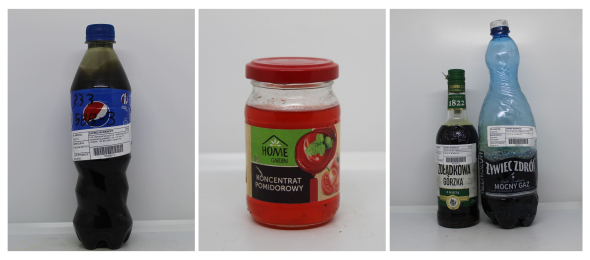
👉 Take a look at real-life examples of the most common mistakes and find out how to avoid them. go to article
2. see also:

Gas turbine foaming – a 3D animation of the process
→ See how the process works and what results it delivers in practice.→

Steam turbine foaming – a 3D animation of the process
→ See how the process works and what results it delivers in practice.→
3. Upcoming conferences we are attending:
- ➡️ 15-17.04.2026 | Conference: ‘RAILWAY ROLLING STOCK – PURCHASE, MODERNISATION, MAINTENANCE’, Ustka, Poland
- ➡️ 15-16.04.2026 | Euro EXPO, Trondheim, Norway
- ➡️ 21-23.04.2026 | I ❤️ Marketing, Warsaw
- ➡️ 22-24.04.2026 | EEC – European Economic Congress, Katowice, Poland
- ➡️ 22-24.04.2026 | Conference on ‘Managing the operational safety of transformers in the era of the energy transition’, Wisła, Poland
- ➡️ 28-30.04.2026 | BMP – Spring Meeting of Heating Engineers, Zakopane, Poland
4. Element of the month

Sulphur (S, Latin: sulfur) – is a chemical element with a wide range of industrial applications, valued for its reactive properties and its ability to form chemical compounds with metals and organic substances. In industry, sulphur is used, amongst other things, in the production of sulphuric acid, fertilisers, rubber in the vulcanisation process, and as a component of certain lubricant additives
The presence of sulphur in the oil samples is due to:
- due to its natural presence in mineral base oils. Synthetic base oils are free from sulphur compounds.
- anti-wear additives used in oils and lubricants, e.g. ZDDP (zinc dithiophosphate).
- Other additives, such as molybdenum thiophosphates used as friction modifiers, or organic sulphides with antioxidant properties.
Among the sulphur compounds used in lubricant technology, calcium sulphonates deserve special mention; these act as thickeners in complex calcium greases, ensuring exceptionally favourable performance characteristics.
Interesting facts:
- Sulphur occurs naturally both as a native element and in sulphide ores.
- Its chemical compounds form the basis of rubber vulcanisation and many industrial processes.
- Sulphur has a characteristic yellow colour and a distinct odour when burned or in the form of certain compounds.
In oil analysis, sulphur serves as an indicator of both the effectiveness of anti-wear additives and potential corrosion processes, making it a valuable diagnostic parameter.
contact
Do you have any questions about Ecol’s laboratory services?
If you have any questions or require any assistance, please do not hesitate to contact me.