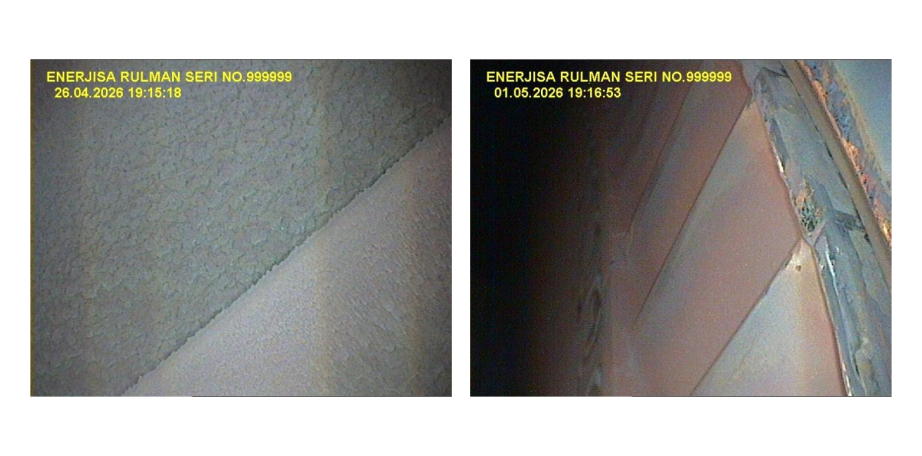
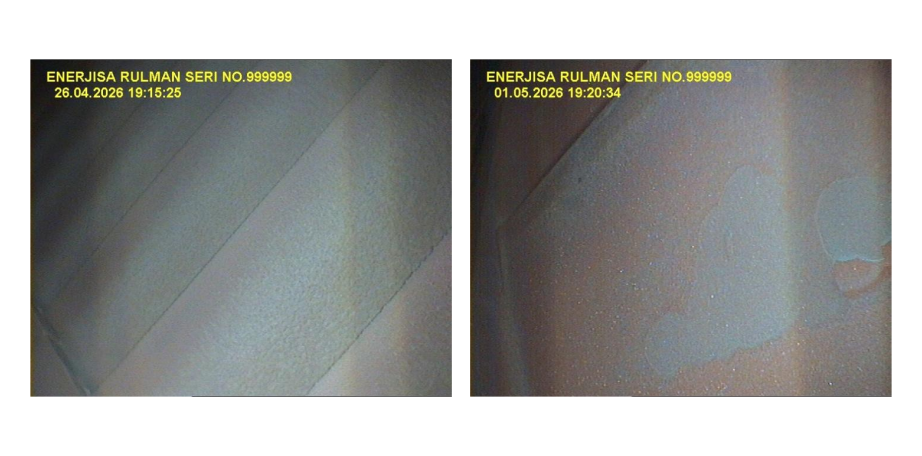
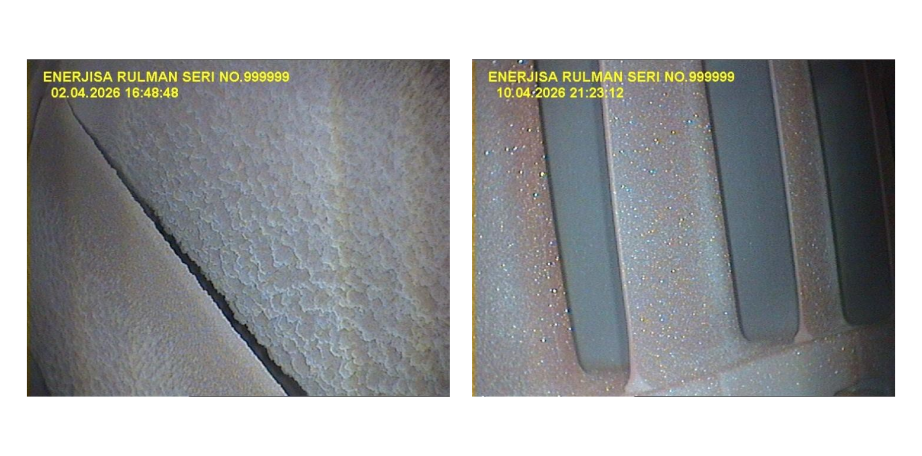
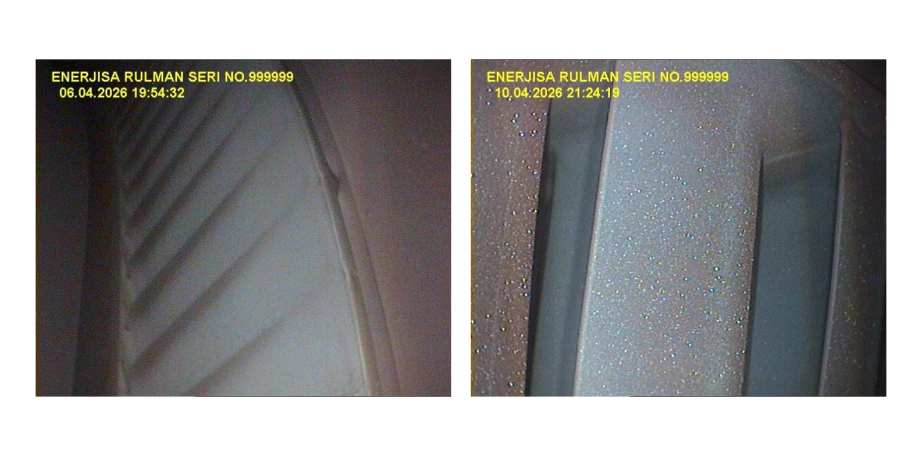
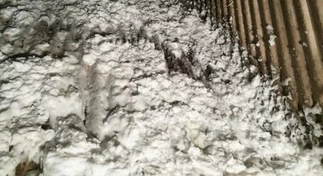
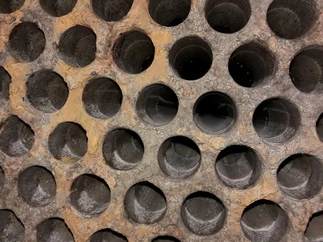
Analyses of deposits collected from individual rows of WP blades revealed a similar nature of contamination in both units. This indicated common sources of origin, primarily linked to the chemistry of the water-steam cycle and the transport of corrosion products.
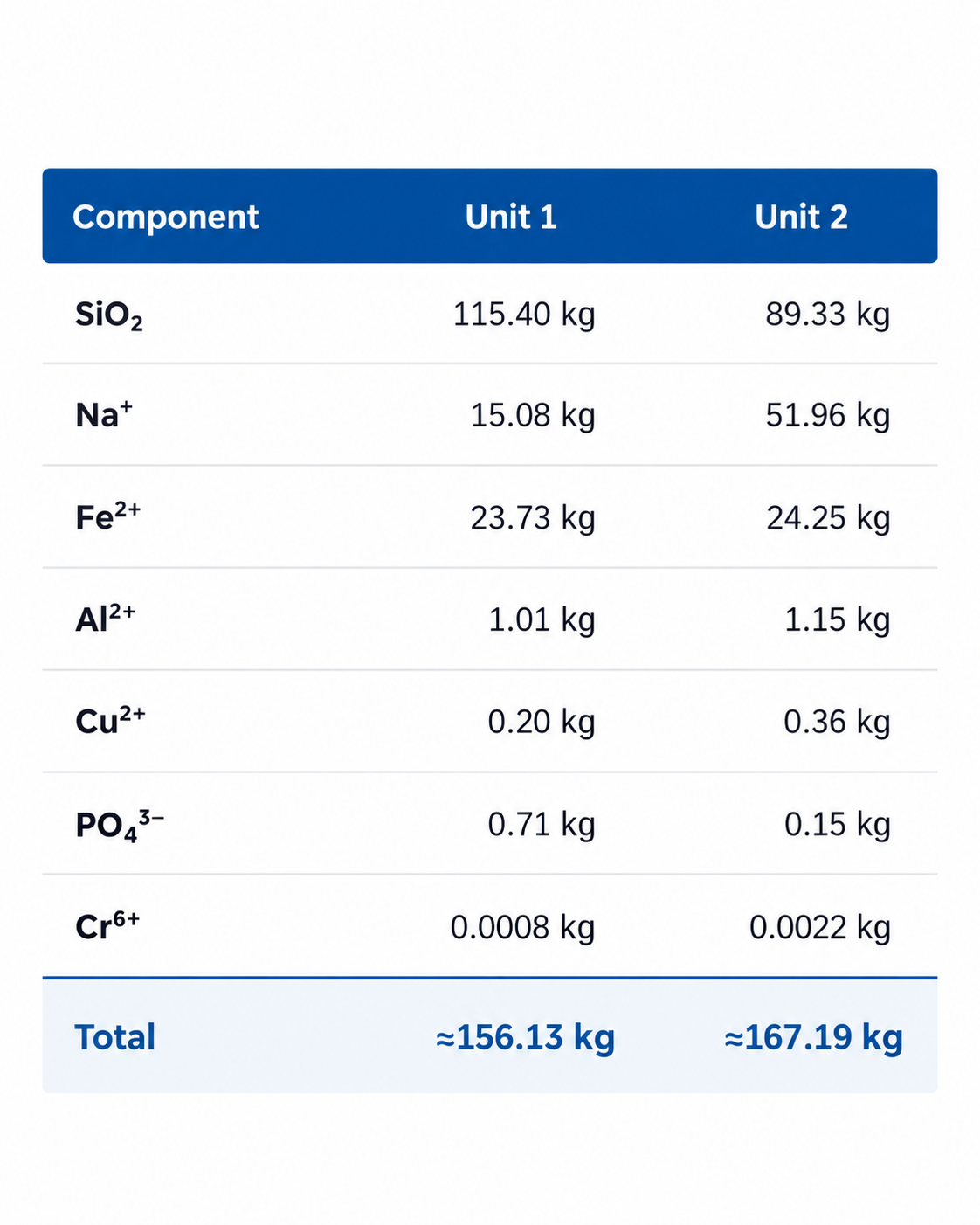
The analysed deposits primarily contained compounds of aluminium, phosphorus and sodium, with a relatively low iron content. The proportion of aluminium was 26–37 per cent, phosphorus 24–32 per cent, sodium 19–32 per cent, iron 4–9 per cent and copper 6–10 per cent by mass.
An analysis of the mechanism underlying the formation of the deposits indicated that these were not typical corrosion products. The predominant contaminants were associated, amongst other things, with the carry-over of impurities from the boiler, the incomplete removal of reagents used in water treatment, and the concentration of dissolved salts during steam expansion.
The analysis also revealed an increase in the proportion of sodium and phosphorus in the successive stages of the turbine as the pressure fell from approximately 115 to 46 bar and the temperature from approximately 460 to 345°C. This indicates the condensation and deposition of some of these compounds in the middle and final parts of the steam turbine section.
Silica (SiO₂) was also a significant component of the deposits. Under conditions of high pressure and temperature, some of the silica may be carried along with the steam and, during its expansion, precipitate onto the surfaces of the blades, forming very hard deposits that are difficult to remove.