deposits in oil systems: mechanisms and consequences
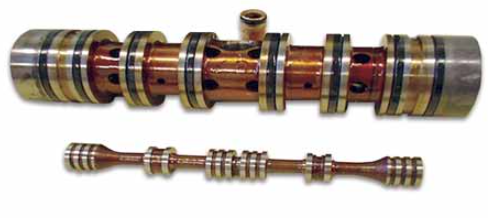
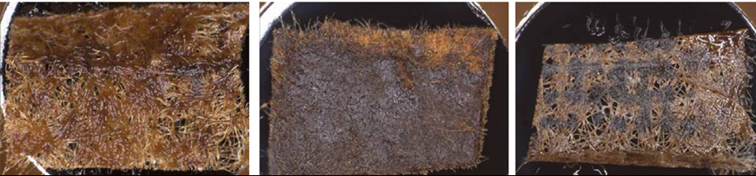
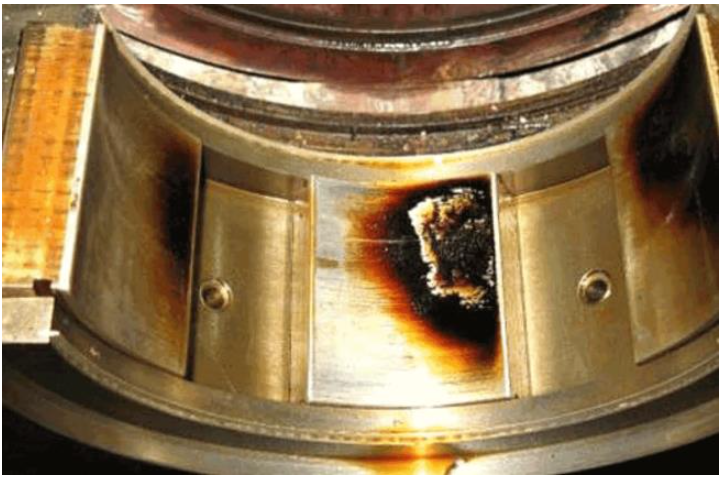
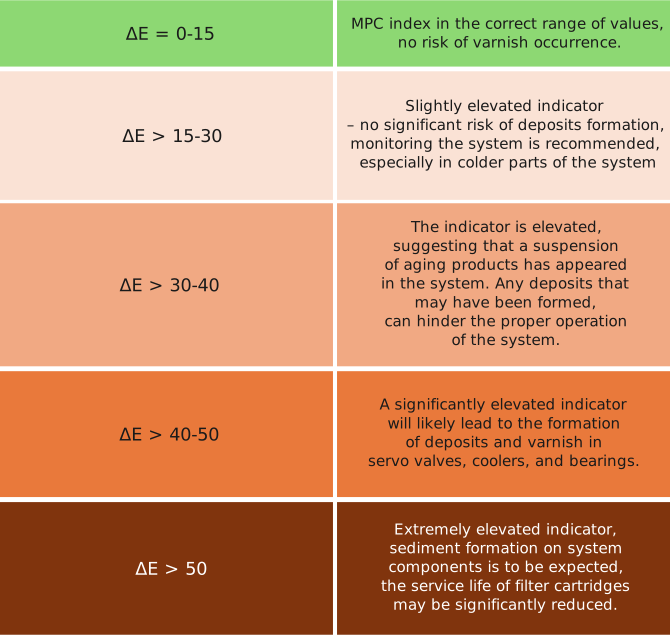
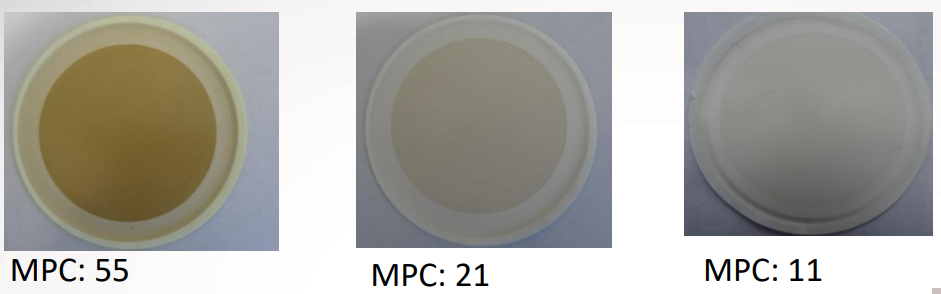
Modern oil systems, due to their miniaturization, broad environmental requirements, and high operating loads, promote the intensive degradation of lubricants. One of the most problematic effects of this process is the formation of insoluble deposits. Submicron particles may form as a result of local overheating, microdieseling, electrostatic discharges, or the depletion of additive packages. Additionally, deposit formation can also result from improper oil blending processes or mixing incompatible oils.
Initially, these contaminants reduce machine and equipment efficiency in a way that is not easily noticeable, and in extreme cases they can lead to costly failures and downtime. dieseling, electrostatic discharges, or the depletion of additive packages. Additionally, deposit formation can also result from improper oil blending processes or mixing incompatible oils. Initially, these contaminants reduce machine and equipment efficiency in a way that is not easily noticeable, and in extreme cases they can lead to costly failures and downtime.
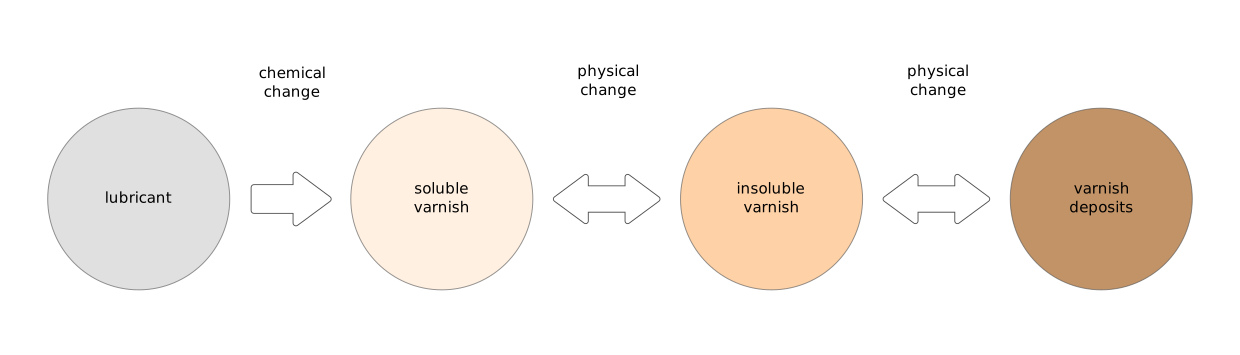
Understanding the mechanism of varnish formation is crucial for effective maintenance operations. Early detection of symptoms allows for preventive and corrective actions to be taken, reducing the risk of equipment damage.